
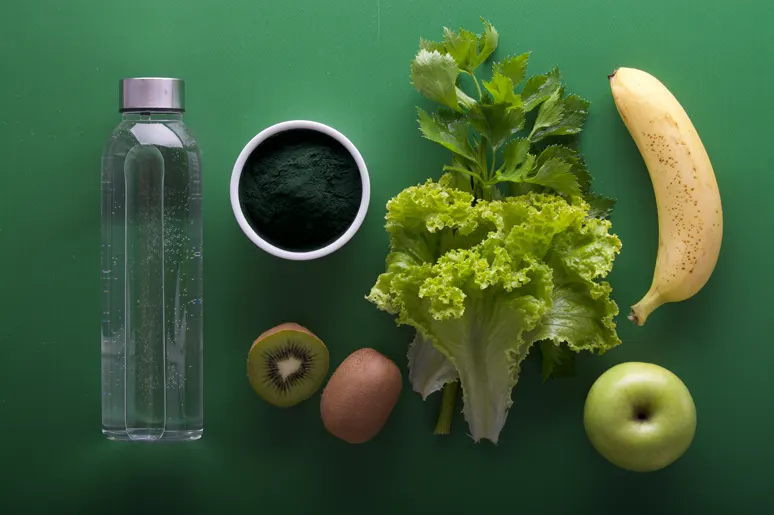
Food Combining – Part 1
Why Is It Necessary?
Dr. Walker’s research revealed that the improper combination of meals is a significant factor contributing to illness and disease.
Although Food Combining had existed for centuries in various forms, Dr. Walker formalized the science of Food Combining, calling it The Food Combination Health Plan.
This earned him the title of The Originator of Food Combining.
Principles Of Food Combining
Natural foods consist of raw vegetables, fruits, nuts and seeds, they have live and active enzymes, thus can be combined in any manner.
When foods are processed or cooked, their enzymes become inactive and are considered dead.
Therefore, it is necessary to combine cooked foods correctly to prevent digestive disorders and ailments.
Concentrated carbohydrate foods such as starches, grains and processed sugars belong to the alkaline category and need alkaline digestive juices for proper digestion.
Whereas, concentrated proteins such as meats, fish, fowl, eggs and dairy products, belong to the acid category and require acid digestive juices.
Detrimental Chemical Reactions
Eating concentrated carbohydrates and proteins together releases both alkaline and acidic juices simultaneously.
The acid digestive juices interfere with the digestion of carbohydrates, while alkaline digestive juices adversely affect the digestion of the proteins.
This incompatible combination results in the disruption of the digestive processes.
Dr Walker says, “We try to rigidly avoid eating concentrated sugar and starchy foods during the same meal in which concentrated proteins are used.”
Fall Outs
The consequence of improper food combining is fermentation of carbohydrates and the putrefaction of protein foods.
This leads to gas formation in the stomach, intestines, and throughout the digestive system.
Improper food combining can lead to issues such as stomach upset, constipation, headaches, heart problems, malnutrition, fatigue, ulcers, and even cancer.
Does It Work?
A sudden change in diet is not recommended.
Make changes slowly by removing harmful foods one by one and replacing them with beneficial ones.
Try Food Combining for a month to experience benefits like improved digestion, increased energy, lighter feeling, better sleep and improved wellbeing.
Part 2 – How To Combine?
In Part 1 we examined the importance of proper food combination. Based on these principles, let us look at the correct ways of combining them.
Foods That Combine Together
Raw vegetables, fruits, nuts and seeds can be combined as they are live foods with active enzymes.
However, melons should be eaten alone because they digest rapidly and leave the stomach quickly.
Raw vegetables, fruits, nuts, and seeds can be combined with proteins such as meat, fish, chicken, eggs, and dairy.
Carbohydrates such as grains and processed sugars mix with both raw and cooked vegetables.
Foods That Combine With All
Raw honey and sweet fruits such as ripe bananas, dates, figs, and raisins combine with all foods.
Fats such as avocado, butter, cream and cold pressed oils can also be eaten with all foods.
Foods That Don’t Combine
Carbohydrates such as starches, grains and sugars do not combine with proteins such as meats, fish, chicken, eggs and dairy products.
Sour foods and pulses don’t combine with carbohydrates such as starches, grains and sugars.
Forming a Habit
Initially, adjusting to this new way of eating might feel like a challenge, but it quickly becomes a seamless part of your lifestyle.
Over time, your positive experience may inspire others to embrace this healthy approach, and you could become a catalyst for change in their lives.
Part 3 – Examples
While Part 2 covered how to combine foods, this topic covers examples of both correct and incorrect combined meals.
The saying, ‘An apple a day keeps the doctor away’ but only if it is correctly combined.
Examples of Food Combinations
Bread, rice, or pasta (carbohydrates) don’t combine with tomatoes, lemon, or tamarind (sour foods).
Instead, they combine well with cooked vegetables or non-sour vegetable salads.
Coffee or tea (protein) don’t combine with sugar, cakes, or biscuits (carbohydrates).
But they do combine well with raw honey.
Pulses or lentils (protein) don’t combine with rice or bread (carbohydrates).
They combine with cooked or raw vegetables.
Soups made with grain flour (carbohydrates) don’t combine mix with meat stock or pieces (protein).
They combine well with vegetables.
Milk or eggs (protein) don’t combine with bread or cereals (carbohydrates).
They combine best with fruits, nuts, or raw vegetables.
Fish, chicken, or meat (protein) don’t combine with bread, potatoes, or soft drinks (carbohydrates).
They combine well with non-starchy vegetables and fruits.
Raw honey, sweet fruits, and healthy fats like butter, cream, avocados, or cold-pressed oils combine well with all foods.
Making Small Changes
Dr Norman Walker says, “Have you any idea what a wonderful feeling it is to realize that through discipline in small things, the greater tasks that were burdensome actually become a pleasure?”
Part 4 – Important Factors
The effectiveness of Food Combining depends on a few essentials. Let’s explore them!
Whole Foods
Choose whole foods, avoid refined and processed ones with preservatives.
Ripe Fruits
Eat fruits only when ripe, their sugars are fully mature, creating an alkaline effect. Even tart fruits like oranges, lemons, and grapes are alkaline when properly combined.
Legumes
Dried legumes such as lentils, peas, beans, corn, soybeans, peanuts, and their various products are low in water and highly concentrated in carbohydrates and proteins.
When consumed regularly one can experience discomfort such as gas and acidity, thus it is best avoided.
On the other hand, sprouted or young legumes just like raw veggies are easier to digest.
Meat Substitutes Are Insidiously Detrimental
Plant-based meat substitutes that mimic flesh foods, are concentrated carbohydrates usually made from grains or soybeans and starches.
As one relishes the flavor of the meat substitute the mind is alerted to provide the acid protein-digestive juice. However, this cannot digest the concentrated carbohydrates that require an alkaline-digestive juice. The result is indigestion that can cause toxemia or systemic poisoning.
Fried Foods
Foods cooked in overheated oils are indigestible, they cause constipation, and should be completely avoided.
When To Drink?
Avoid water with meals, it dilutes digestive juices, causes bloating and burdens digestion.
Drink water 15 mins before or 1 hr after meals.
If you drink with meals, opt for vegetable juices or coconut water, which support digestion.
Fruit juices pair well with raw foods and flesh foods, but not with carbs.
Digestion Times
- Juices without pulp: 10–15 mins
- Smoothies (juices with pulp): 1–2 hrs
- Fruits: 1–2 hrs (melons: 30 mins)
- Grains: ~6 hrs
- Flesh foods: ~8 hrs
- Wrong combinations, never digest properly regardless of time.
Proper food combining supports easier digestion, better nutrient absorption, and overall well-being.