
PROTEINS Shedding Myths
What Are Proteins?
Twenty-three amino acids combine in different ways to form various flesh proteins. Proteins are the body’s building blocks, forming its structure and facilitating both voluntary and involuntary functions. Dr Walker says, “Each amino acid has wonders to perform and I have listed these in my book The Vegetarian Guide Diet & Salad.”
Protein Requirement
Protein requirements of an average adult may not be as high as commonly believed. Infants require more protein during their first two years to support rapid growth. Adults need protein mainly for maintenance and repair.People engaging in strenuous physical activity need more protein and therefore often eat larger meals; their requirement is 7 to 8 oz of protein, while a sedentary person needs only 2 to 4 oz’s.
A lesser known fact is that nitrogen from the air is the principal element in protein structure and our most constant supply. This is why air quality is so important as polluted air provides inferior quality nitrogen, which in turn weakens the body.
Types Of Proteins
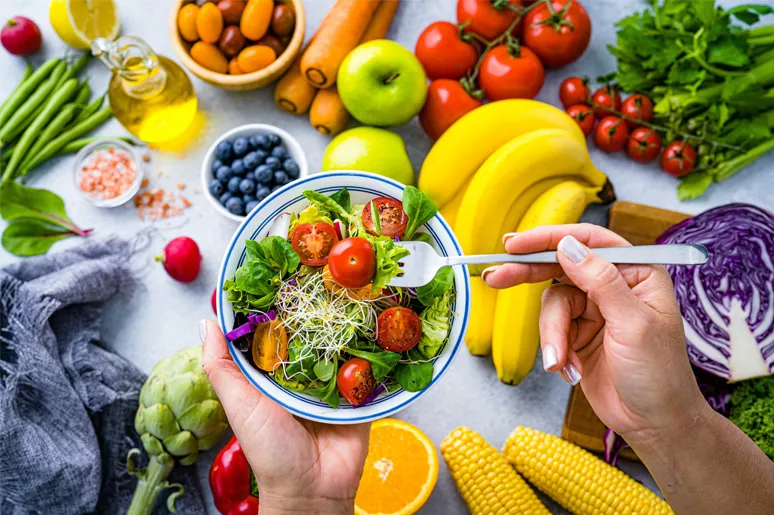
Natural proteins, like natural carbohydrates, are found in all raw fruits, vegetables, juices, nuts, seeds, tender legumes, and sprouts (micro greens).
Concentrated proteins are present in animal foods such as beef, lamb, chicken, pork, seafood, eggs, milk, and cheese, as well as in plant-based meat alternatives and legumes including cooked lentils, beans, peas, peanuts, and corn.
Vegetables Are High In Protein
The common myth is that only flesh foods, dairy and legumes provide quality proteins. However, fruits and vegetables also contain significant amino acids. The protein content is higher in vegetables than in fruits, and they are builders of the body. Fruits are primarily cleansers because of their higher carbon content.
Drinking 2 to 4 glasses of vegetable juices along with eating vegetables, nuts, seeds and sprouts ensures that we get all the required protein.
Garlic has the highest concentration of protein among vegetables but should be used in small quantities.
Nuts
Nuts are a concentrated source of protein and healthy fats and provide nutrients that support bones and teeth. Almonds are the most alkaline and valuable of nuts, followed by pecans, pine nuts, walnuts and hazelnuts; the rest are of average value.
Almonds can be eaten whole, ground into flour or soaked overnight.
Dr Walker used 4 to 6 tablespoons of finely ground almond flour on fruit for breakfast. However, 2 tablespoons of almond flour or 8 to 12 pieces are sufficient for less active people.
Whole nuts are more easily digested when eaten between meals, especially with fresh vegetable juice.
People engaged in heavy physical activity can reduce their dependence on meat by eating 1 to 1½ pounds of almonds over a week in small quantities, especially when starches and sugars are replaced with plenty of raw fruits, vegetables, and fresh vegetable juices.
Cashews are closer to legumes and are harder to digest than other nuts and daily consumption can cause acidity.
Dr Walker warns, “PEANUTS are not nuts. They are one of the Legumes most destructive to the human system on account of their extremely acid action not only on the digestive system but on the whole body. There are few things people eat that are so destructive as peanuts.”
Only fresh, raw, unsalted nuts and seeds are healthy; cooked or roasted nuts are harmful because the fats become indigestible and adversely affect the liver and gall bladder.
Cold-pressed Nut & Seed Butters are also beneficial and may be easier to digest than whole ones.
Seeds & Sprouts
Seeds are so essential to complete nutrition that we should include them daily in some form. However, because seeds are concentrated foods, they should be eaten only in small quantities. Non-hybrid raw seeds provide more constructive nourishment than meat and pair well with all foods, especially when sprouted. Seeds and sprouts are among the richest sources of protein and also provide abundant calcium and magnesium.
Legumes
Dried beans (except string beans), along with dried lentils, peas, and corn, are highly acid-forming because they contain very little water and high levels of concentrated protein and carbohydrates.
The same applies to soybeans and all legume flours.
While cattle thrive on this food, in humans it eventually leads to acidity caused by excessive fermentation and putrefaction (rotting) from this incompatible combination. Legumes commonly cause excess gas in the system and this may contribute to angina pectoris, a heart ailment. Dr Walker notes, “Old age just loves gas, but few people realize it.”
Fresh tender raw legumes have water content similar to vegetables and they make a healthy and tasty addition to salads.
Eggs
Egg whites are mucus forming, Dr Walker says, “I do not use egg whites in any form because I do not want my system clogged up.”
He also cautions that fried eggs can harm the liver and gall bladder and contribute to constipation.
Dr Walker provides an example when he states that two egg yolks can provide all the concentrated, high-quality protein an adult needs in a day, provided they are fertilized eggs from free-range chickens.
Raw egg yolk mixed with honey in fresh orange juice is especially beneficial for growing children and may also be taken by adults. This combination quickly helps correct Vitamin D and B12 deficiencies.
For a healthy omelette or mayonnaise dressing, the recipes can be found in Dr Walker’s book: The Vegetarian Guide Diet & Salad.
Flesh Foods
Flesh foods by their very nature are putrefactive and require much more effort to digest than vegetables. When an animal is killed, it is full of fear and poisons flow into the blood stream from the adrenal glands. Further the flesh of the animal deteriorates every second after the death of the animal.
Digesting flesh foods produces excessive uric acid, which muscles absorb much like a sponge absorbs water. Once uric acid builds up to the saturation point, it crystallizes, forming painful deposits which can manifest into rheumatism, neuritis, sciatica etc. Uric acid crystals can also lead to kidney problems. Due to their putrefactive quality, flesh foods increase the risk of colon cancer, they are also a contributing factor in diabetes.
If someone feels they need flesh protein, fresh fish with fins and scales are the best when steamed for only 10 to 15 minutes and not fried in fat or grease.
Edible birds, including poultry, pheasant, partridge, quail, and especially guinea fowl, are generally easier to digest and less acid-forming than cattle flesh.
Many herbivorous animals develop larger, stronger, and healthier bodies from the amino acids obtained from vegetation, than humans do from eating meat.
Milk
Cow’s milk is among the most mucus-forming foods in the human diet and is best avoided. This topic will be addressed in another video.
Nurturing Sick People
The type of protein becomes especially important in many diseases because body tissue is often lost. That tissue must be rebuilt during convalescence.
Flesh foods burden the weakened digestive system of a sick person. They also produce excessive uric acid, increasing harmful acidity in the body.
Proteins from fresh raw vegetable juices are the easiest to digest and absorb. Potassium juice made from 7 oz of carrot, 4 oz of celery, 2 oz of parsley, and 3 oz of spinach is one of the richest natural sources of protein.
Suggestions:
- Meals should consist mainly of vegetables, fruits, and sprouts.
- Eat concentrated proteins in smaller amounts.
- Drink plenty vegetable juices.
- Fresh cottage cheese, from unpasteurized milk, is a healthy addition.
- Unpasteurized Swiss cheese (Emmenthal) can be eaten occasionally in small quantities.
- Follow Food Combining, watch Parts 1-4 on this channel.